

Habitat and Indoor Presence
Centipedes are fundamentally creatures of the soil and the forest floor, biologically wired to thrive in environments that offer high humidity and abundant cover. Because their exoskeletons are relatively thin and lack the waxy, waterproof coating found on many insects, they are highly susceptible to desiccation, or drying out. Consequently, their natural habitats are strictly limited to dark, damp microenvironments. In the wild, they can be found hiding beneath decaying logs, flat rocks, dense leaf litter, and thick layers of organic mulch. These locations not only retain moisture but also provide an ample supply of the small invertebrates that make up their carnivorous diet, allowing them to hunt effectively while remaining hidden from larger predators.
Despite their strong preference for outdoor ecosystems, centipedes frequently cross the threshold into human dwellings, driven by environmental pressures. They do not enter homes seeking human interaction or shelter for the sake of it; rather, they are accidental invaders responding to extreme weather conditions. During periods of intense heat and drought, the outdoor soil dries out, forcing centipedes to seek out the cooler, moister environments of a house to survive. Conversely, during heavy rains or flooding, their underground burrows and surface hiding spots become waterlogged, driving them upward and inward to escape drowning. They typically gain entry through tiny cracks in the foundation, gaps around doors and windows, or via utility penetrations and drainage pipes.
When centipedes do infiltrate a home, they are highly selective about their indoor habitat, gravitating toward areas that closely mimic their natural outdoor conditions. They are predominantly nocturnal and photophobic, meaning they avoid light and hide during the day. Therefore, they are most commonly encountered in basements, crawl spaces, bathrooms, and utility rooms. These areas typically have higher humidity levels, cooler temperatures, and fewer disturbances. You might find them resting along the baseboards, hiding behind stored boxes, or lurking near floor drains and under sinks, where condensation provides the moisture they desperately need to prevent their bodies from drying out.
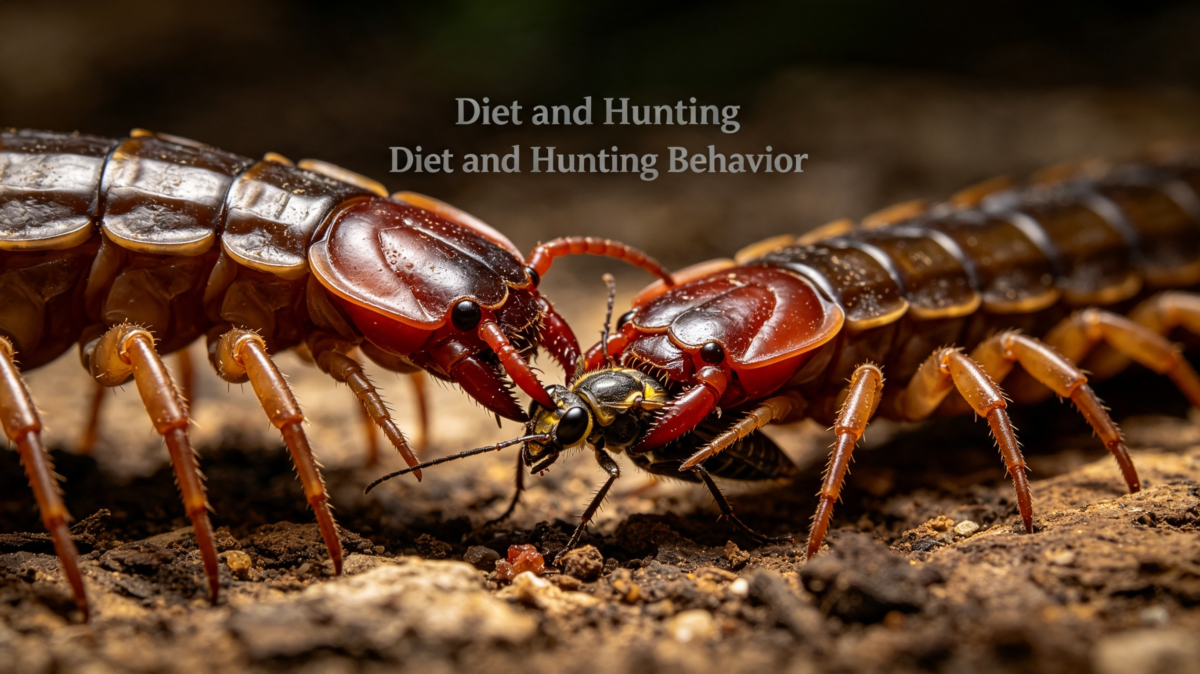
A common misconception among homeowners is that centipedes invade houses to feed on human provisions, chew on wood, or damage fabrics. In reality, centipedes are strictly carnivorous predators and have absolutely no interest in human food, pantry items, or structural materials. If a centipede is living inside your home, it is actually a strong indicator that there is a robust population of other insects present. They are there to hunt. By finding centipedes indoors, you are essentially being informed that there is an ample food source of pests like silverfish, spiders, cockroaches, or termites. In this sense, the centipede is acting as a natural, biological pest control agent, keeping other nuisance insect populations in check.
It is also crucial to understand the survival capabilities and reproductive habits of centipedes once they are trapped indoors. Unlike some household pests, the vast majority of soil-dwelling centipedes cannot establish indoor colonies or breed within the dry confines of a typical house. The ambient air inside modern, climate-controlled homes is simply too dry for them to survive long-term. Without a consistent source of high moisture, an indoor centipede will usually desiccate and die within a few days to a week. While the specialized house centipede is adapted to survive and even reproduce indoors, the common outdoor centipedes that wander in through foundation cracks are merely temporary, doomed visitors that will perish if they cannot find a sufficiently damp micro-habitat.
Managing the indoor presence of centipedes is best achieved through environmental modification and exclusion rather than the use of harsh chemical pesticides. Since they are beneficial predators, the goal should be to make the indoor and immediate outdoor environment less hospitable to them, rather than eradication. Homeowners can achieve this by reducing indoor humidity with dehumidifiers, fixing leaky pipes, and ensuring proper ventilation in basements and crawl spaces. Externally, clearing away leaf litter, moving mulch away from the foundation, and sealing cracks in the exterior walls will remove their outdoor hiding spots and block their entry points. By addressing the moisture issues and sealing the home, centipedes will naturally be discouraged from entering, allowing humans and these fascinating arthropods to coexist peacefully in their respective habitats.